
Same-Day Dentistry: How Fast Turnaround Is Reshaping Lab Milling Workflows
The Same-Day Push Is Real
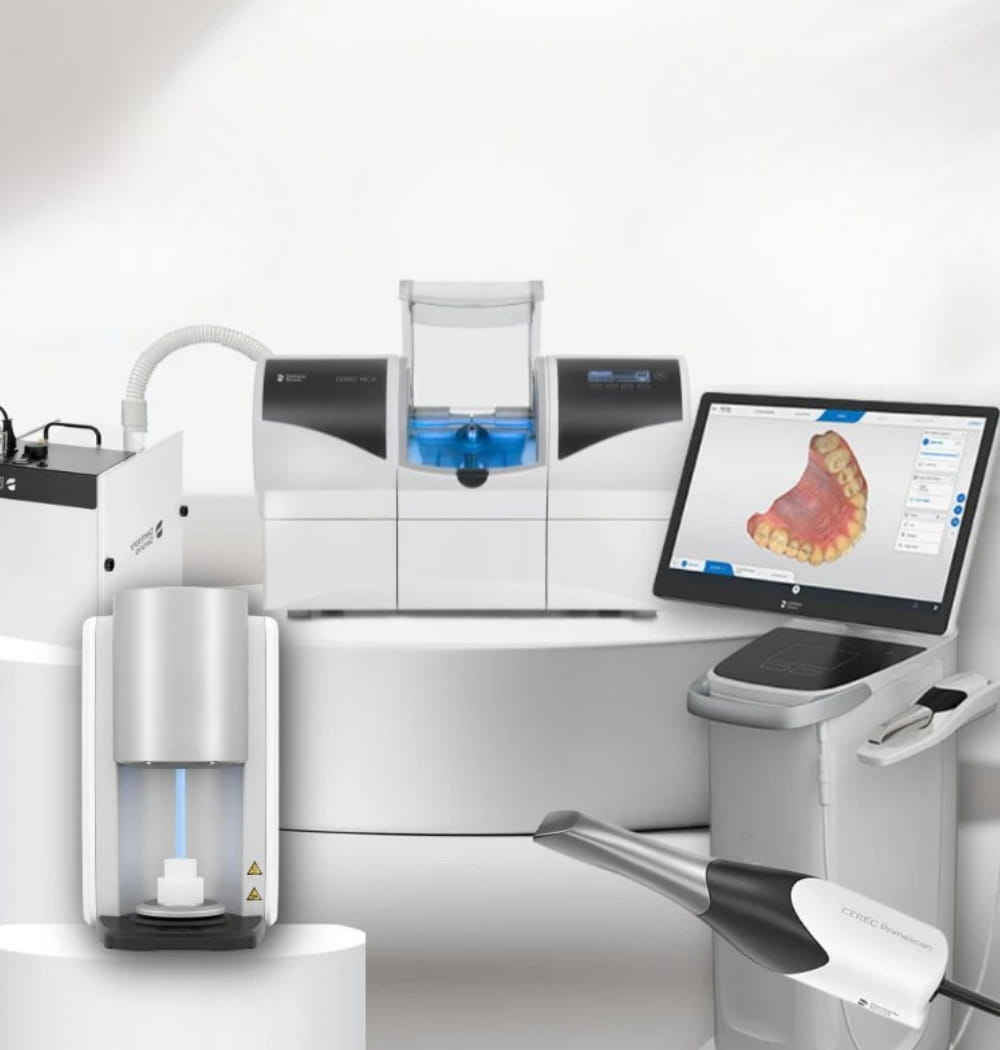
Patients asking for crowns in one visit used to be a punchline. Now it's a selling point, and labs that can't deliver fast turnarounds are losing accounts to chairside systems. Same-day dentistry hit 39% chairside penetration in 2025. That number keeps climbing. Labs that adapted their milling workflows to 4-hour or next-morning turnaround are actually gaining work from clinics that tried chairside and found the limitations.
Where Labs Still Win
Chairside mills handle single crowns well enough. But full-arch cases, screw-retained implant bridges, long-span bridges — those still go to the lab. The issue isn't just machine capability. It's material range, tool selection, and finishing quality.
A lab running a 5-axis mill with proper zirconia milling burs produces margins that chairside systems can't match. Multi-unit frameworks need the precision of dedicated tooling and longer milling cycles. No chairside system handles titanium or chrome-cobalt. That's your moat — protect it by being fast where it counts.
Restructuring for Speed
Batch by Material, Not by Case
Most labs organize by case — Patient A's crown, Patient B's bridge. For same-day work, batch by material instead. Run all zirconia cases together, all PMMA temps together. This cuts tool changes by 60-70% and keeps the spindle running.
Practical setup: dedicate morning slots to zirconia (roughing + sintering starts by 10 AM, done by 6 PM) and afternoon slots to PMMA temps and hybrid ceramics (no sintering, out the door same day).
Pre-Stage Your Tool Sets
Time lost to tool changes adds up. Set up material-specific tool holders: one for zirconia with coarse and fine diamond burs, one for PMMA with single-flute carbide cutters, one for hybrid ceramics. Label them. Swap the whole holder, not individual burs.
Invest in a Fast Sintering Furnace
Traditional sintering takes 7-10 hours. Speed sintering furnaces cut that to 90 minutes for most zirconia brands. The upfront cost is high, but if you're running 10+ zirconia units daily, a fast sinter pays back in under 6 months through same-day premium pricing.
Milling Parameters for Speed vs Quality
There's a temptation to crank up feed rates for faster output. Don't. Optimize where it actually saves time:
| Optimization | Time Saved | Quality Impact |
|---|---|---|
| Increase roughing step-over from 40% to 55% | 15-20% | None — finishing pass cleans it up |
| Use 2-flute burs for PMMA roughing | 25-30% | None — removes chips faster |
| Reduce finishing step-over below 8% | -40% (slower) | Marginal improvement — not worth it |
| Skip roughing pass on thin copings | 30-40% | Risk of chipping — experienced operators only |
The biggest time savings come from workflow design, not machine settings. A well-organized lab with standard sintering beats a chaotic lab with speed sintering.
Digital Workflow Integration
Speed starts at the scan, not the mill. Labs that accept STL files from any scanner — not just their preferred brand — get cases faster. Set up an automated file intake:
- Cloud folder for incoming scans (Dropbox, Google Drive, or dedicated dental platforms)
- Auto-notification when new files arrive
- CAD design template library with pre-set connector sizes, margin lines, and pontic shapes
- One-click nesting that arranges multiple units on a single disc
The goal: scan arrives at 8 AM, design done by 9 AM, milling starts by 9:30 AM. For glass ceramic and hybrid ceramic cases, the restoration ships before lunch. For zirconia, it ships end of day after speed sintering.
What Smart Labs Are Doing
The labs winning same-day accounts aren't the ones with the most expensive equipment. They're the ones with the tightest workflows. Two machines running in sequence — one roughing while the other finishes — doubles throughput without doubling cost. Pre-made tool kits eliminate fumbling. Standardized designs cut CAD time in half.
Same-day dentistry didn't kill lab work. It raised the bar for how fast a lab needs to move. The labs that adapted are busier than ever — they just work differently now.