
Glass Ceramic Dental Milling Burs
Subcategories
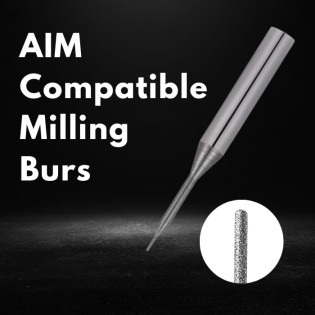
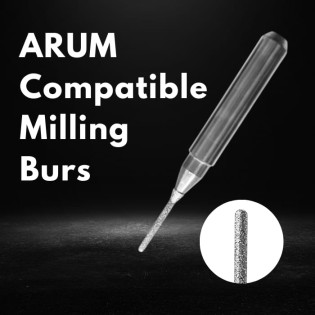
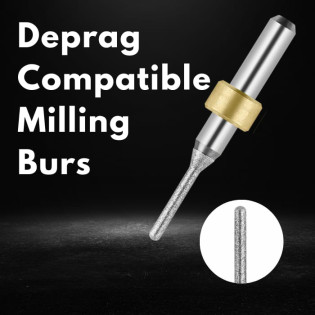
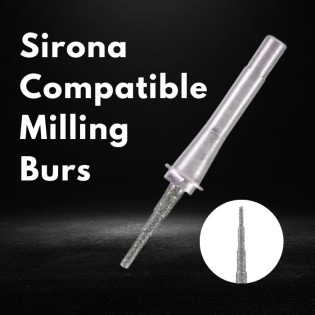
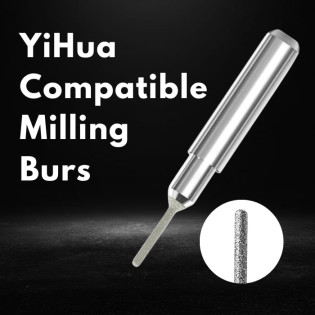
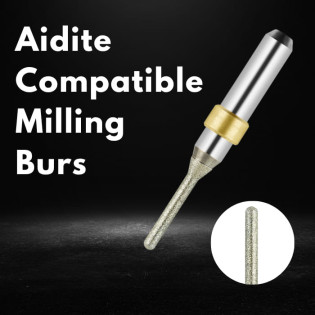
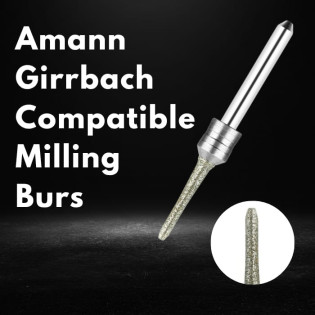
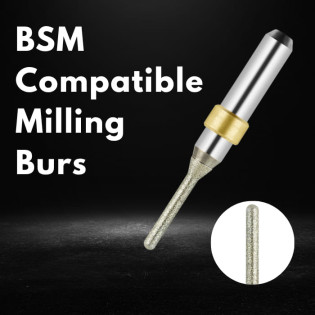
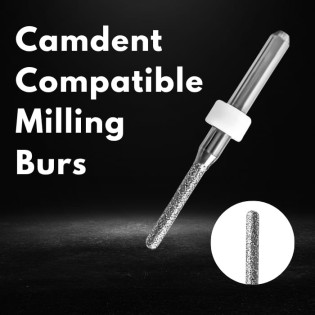
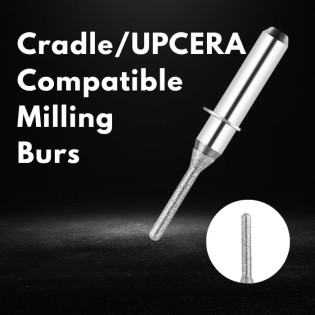
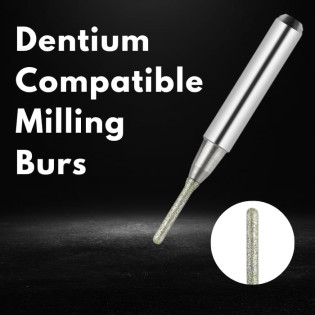
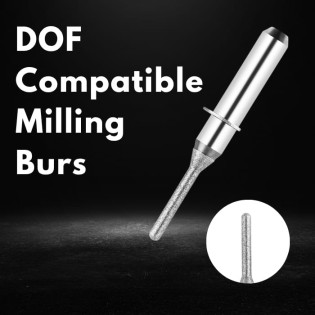
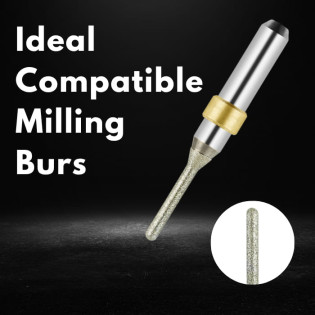
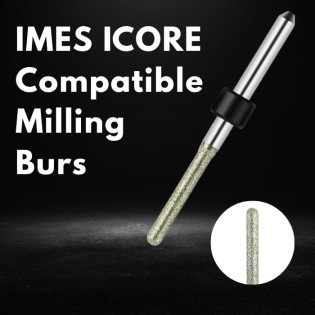
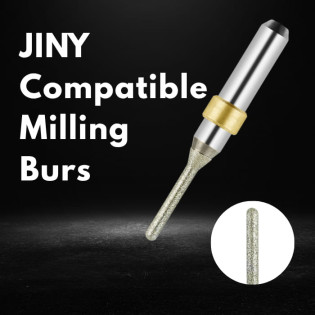
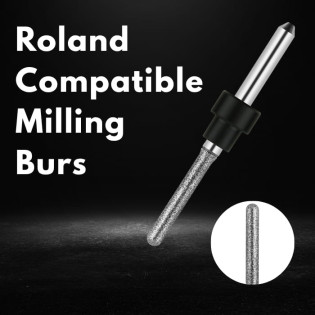
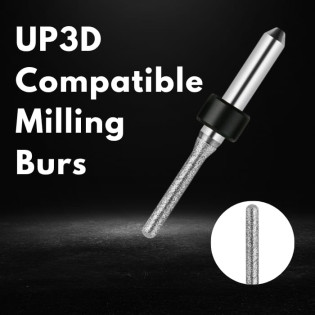
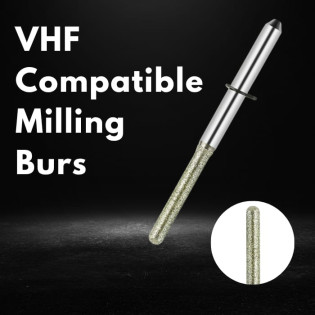
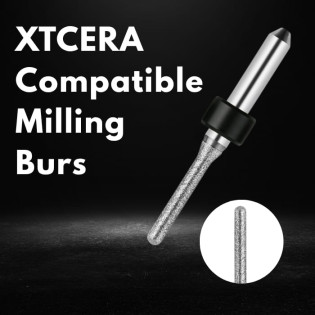
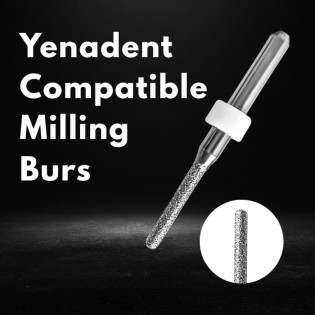
Glass Ceramic & Lithium Disilicate Milling Burs
Glass ceramic and lithium disilicate restorations are almost always milled wet, under constant water spray, with a diamond-coated bur rather than a carbide one. The cutting geometry is different from zirconia burs - the grit structure is finer, the flute profile is closed, and the run-out tolerance has to be tight to avoid chipping the incisal edge of a monolithic crown.
Where these burs are used
- Lithium disilicate crowns, inlays, onlays and veneers (e.max CAD and compatible blocks)
- Feldspathic and leucite-reinforced glass ceramic blocks
- Hybrid ceramic and resin-matrix ceramic blocks
- Chairside and lab workflows on wet-mill spindles
What to look for
For glass ceramic, grit size is the single most important specification. Coarse grit (150-180 mesh) is used for block roughing; fine (220 mesh) or extra-fine (400 mesh) is used for contour and margin. If you see white-line chipping on incisal edges, the grit is usually too coarse for the last cut or the bur is past its useful life. Most failures are tool wear, not machine calibration.
Compatibility
This category covers wet-milling diamond burs that fit the common dental chairside and lab machines: Sirona MCXL / MC X5 / CEREC 3, Ivoclar PM7 / PM5 / PM3, Zirkonzahn M1 Wet and M2 Dual Wet, Amann Girrbach Ceramill Matik / Motion, Roland DWX-42W, Arum 5X-500, VHF K4 / K5, Cradle A52W, UPCERA FLNTMill A52W / A52DW, Aidite AMW-400S Pro, BSM-500DW and others. Shank diameter must match the tool changer on your specific spindle. CADBURS is not affiliated with any of these manufacturers; all trademarks belong to their respective owners.
Need ordering or compatibility help?
We can help with machine matching, shipping questions, returns, and bulk orders before you place your order.
Contact support | Shipping policy | Return policy | Help center