
How to Reduce Milling Errors: A Practical Guide for Dental Lab Technicians
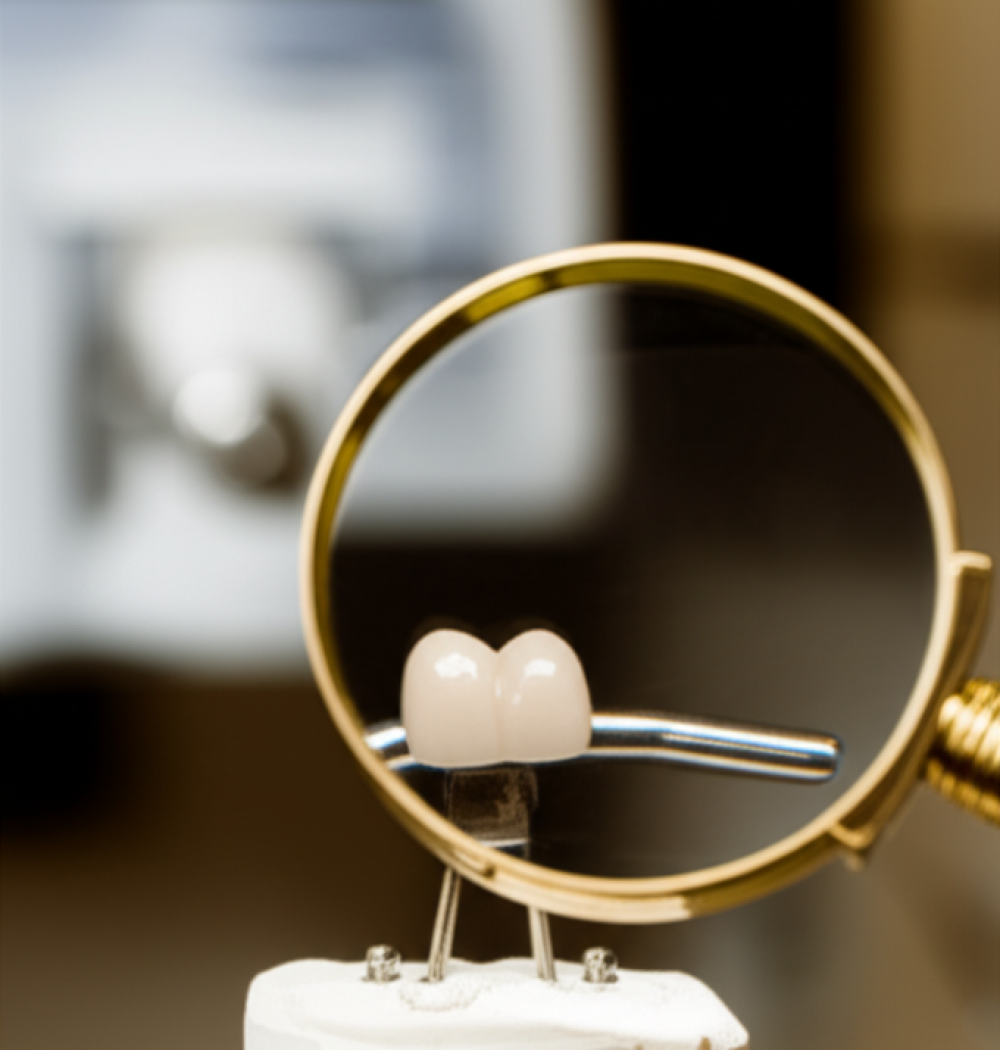
Milling errors cost time, materials, and credibility with clients. After tracking production data across multiple labs, the numbers are clear: top-performing labs achieve 92-95% first-pass success rates while struggling shops hover around 75-80%. The difference isn't better machines—it's systematic error prevention. This guide covers the specific checks and parameters that separate consistent milling from constant remakes.
The Five Primary Sources of Milling Errors
Most milling problems trace back to predictable causes. Here's what breaks down most often:
Worn Burs
Burs don't fail dramatically—they degrade gradually. A worn bur produces chipping on margins, rough occlusal surfaces, and dimensional inaccuracies that show up during try-in. The problem: most techs wait for visible damage before replacing burs. By then, you've already milled several compromised restorations.
Wrong Machining Parameters
Default parameters in CAM software are conservative starting points, not dialed-in settings. Milling zirconia at PMMA speeds causes chipping. Running PMMA too hot causes melting and dimensional warping. Each material needs specific RPM and feed rates.
Calibration Drift
Five-axis mills require precise axis alignment. Over time, spindle runout increases, axis perpendicularity drifts, and tool offsets shift. A machine that was accurate six months ago isn't necessarily accurate today. Without regular checks, errors accumulate until margins won't seat.
Poor Blank Seating
A blank that shifts 0.1mm during milling creates a 0.1mm error in the final restoration. Inconsistent clamping pressure, debris on mounting surfaces, or worn holders all cause movement. This is especially problematic with thin PMMA blanks that flex under cutting forces.
Coolant System Issues
Insufficient coolant flow causes thermal expansion during milling—the restoration shrinks when it cools down. Blocked nozzles create uneven cooling. Contaminated coolant leaves residue that affects surface finish. These problems are invisible during milling but obvious during delivery.
Bur Management: Tracking Wear Before It Causes Problems
Replacing burs on a schedule prevents errors instead of reacting to them. Here's the tracking system that works:
Material-Specific Bur Life
Different materials wear burs at different rates. Track usage separately for each material type:
| Material | Bur Life (Units) | Critical Wear Signs |
|---|---|---|
| Pre-sintered Zirconia | 60-80 units | Margin chipping, white dust instead of powder |
| Glass Ceramic (e.max) | 30-40 units | Rough occlusal surfaces, edge fractures |
| PMMA | 100-150 units | Stringy chips instead of powder, burn marks |
| Titanium | 15-25 units | Increased cutting time, tool deflection |
| Wax | 200+ units | Poor surface finish, dimensional drift |
These numbers assume proper parameters. Aggressive settings reduce bur life significantly.
Simple Tracking Method
Use a spreadsheet or tracking software. Every milling job gets logged with material type and bur set used. When a bur set hits 75% of expected life, mark it for final inspection. At 90%, retire it regardless of apparent condition. The cost of a premature bur change is trivial compared to a remake.
Matching Burs to Materials
Not all diamond burs are equal. Zirconia requires fine-grit diamonds (25-40 micron) for smooth surfaces. PMMA mills best with coarser grits (40-75 micron) to prevent melting. Using the wrong grit creates surface defects that show through stain and glaze.
For finishing burs: keep dedicated sets for each material. Don't mill titanium with the same burs you use for zirconia. Metal dulls diamonds faster and cross-contamination affects surface quality. We recommend keeping separate sets of zirconia milling burs, PMMA/wax milling burs, and glass ceramic milling burs for best results.
Machine Calibration: Daily Checks vs. Weekly Deep Checks
Calibration isn't a once-per-year service call. It's ongoing maintenance that prevents drift.
Daily Quick Checks (5 Minutes)
Before starting production:
- Visual inspection: Check for coolant leaks, loose cables, debris in the milling chamber
- Spindle sound check: Run the spindle at 30,000 RPM without load. Listen for bearing noise or vibration changes
- Tool offset verification: Run the automatic tool measurement cycle if your machine has one. Compare to baseline values
- Blank holder test: Mount and remove a test blank. Clamping pressure should feel consistent
Weekly Deep Checks (30 Minutes)
Every Monday or after 100 units milled:
- Spindle runout test: Use a dial indicator at the collet. Runout should be under 10 microns. Above 15 microns requires service
- Axis alignment check: Mill a test cube in PMMA. Measure with calipers—all dimensions should be within 20 microns of programmed size
- Repeatability test: Mill the same crown design twice without moving the blank. Overlay the restorations. They should be identical
- Coolant flow test: Measure flow rate at each nozzle. Compare to baseline. A 20% drop indicates clogging
Calibration Logs
Document every check. When errors appear, the log shows what changed. Patterns emerge—maybe every 200 units, spindle runout increases. That's predictive data for scheduling maintenance before failures occur.
Parameter Setup: Real Numbers That Work
Generic parameters produce generic results. These settings are starting points based on common mill configurations (50,000 RPM max spindle speed). Adjust for your specific machine:
Zirconia (Pre-Sintered)
| Operation | RPM | Feed Rate (mm/min) | Stepover |
|---|---|---|---|
| Roughing | 25,000-30,000 | 1,200-1,500 | 0.3-0.4mm |
| Finishing | 35,000-40,000 | 800-1,000 | 0.1-0.15mm |
| Margin detail | 40,000-45,000 | 400-600 | 0.05mm |
Key point: faster spindle speed with moderate feed rates. Zirconia chips cleanly at high speed but fractures under heavy loads. For more tips on avoiding chipping issues, see our article on OEM vs compatible milling burs.
PMMA (Temporary/Prototype)
| Operation | RPM | Feed Rate (mm/min) | Stepover |
|---|---|---|---|
| Roughing | 18,000-22,000 | 2,000-2,500 | 0.5-0.6mm |
| Finishing | 25,000-30,000 | 1,500-2,000 | 0.2-0.3mm |
Glass Ceramic (IPS e.max CAD)
| Operation | RPM | Feed Rate (mm/min) | Stepover |
|---|---|---|---|
| Roughing | 20,000-25,000 | 800-1,000 | 0.2-0.3mm |
| Finishing | 30,000-35,000 | 500-700 | 0.08-0.12mm |
Glass ceramic is brittle—conservative parameters prevent chipping. Don't rush these blanks. Time saved in milling is lost in remakes.
Titanium Grade 5
| Operation | RPM | Feed Rate (mm/min) | Stepover |
|---|---|---|---|
| Roughing | 8,000-12,000 | 300-500 | 0.3-0.4mm |
| Finishing | 15,000-20,000 | 200-350 | 0.1-0.15mm |
Titanium generates heat. Low RPM, moderate feed, generous coolant. Use carbide burs, not diamond—titanium clogs diamond quickly. Replace burs frequently; titanium dulls tools fast.
Coolant System Maintenance: The Overlooked Critical Factor
Coolant does three jobs: removes heat, flushes debris, and lubricates cutting. When any function fails, milling quality suffers.
Flow Rate Verification
Measure actual flow at the nozzle, not just pump output. Most systems should deliver 1.5-3 liters per minute during milling. Below 1 liter indicates clogging. Test monthly—clogged filters reduce flow gradually.
Filter Change Schedule
Standard schedule: change filters every 200 milling hours or quarterly, whichever comes first. If you mill abrasive materials (zirconia, glass ceramic) frequently, change every 150 hours. Dirty filters reduce flow and recirculate abrasive particles that scratch surfaces.
Nozzle Positioning
Coolant must hit the cutting zone, not spray randomly. Proper position: nozzle aimed at the bur-material contact point, approximately 30-45 degrees from horizontal. Too steep and coolant bounces off. Too shallow and it misses the cutting zone. Adjust while observing chip evacuation—chips should flush away immediately.
Coolant Concentration
Mix ratio matters. Too dilute provides inadequate lubrication. Too concentrated leaves sticky residue. Most manufacturers recommend 3-5% concentration. Use a refractometer to measure—don't guess. Check weekly and adjust as needed.
System Cleaning
Monthly: drain the system, clean the tank, flush the lines. Bacterial growth in coolant causes odor and reduces effectiveness. Use a biocide if your environment is warm or humid. Replace coolant completely every 6 months minimum.
Quality Control: Measuring What Matters
Quality control isn't just visual inspection. Measure specific parameters that predict clinical success.
Marginal Fit Verification
Target: margins should fit the die with less than 50 microns gap. Measure with fit checker silicone or articulating film. Sample 10% of production randomly—don't just check problem cases. If more than 5% exceed the 50-micron tolerance, investigate parameters and calibration.
Surface Roughness Checks
Run your finger across occlusal surfaces. Zirconia should feel smooth immediately post-mill. PMMA might have slight texture depending on bur condition. Any roughness on glass ceramic indicates worn burs or incorrect parameters. Visual inspection under magnification (3.5x loupes minimum) shows microcracks and chips invisible to the naked eye.
Design vs. Output Comparison
Monthly validation: mill a reference crown, measure critical dimensions with calipers, compare to CAD design values. Document results. Track trends over time. Gradual dimensional drift indicates calibration issues developing.
First-Pass Success Rate Tracking
The benchmark metric: percentage of restorations that seat correctly on first try without adjustment. Track this weekly. Top labs run 92-95%. If you're below 85%, systematic problems exist—random errors don't create consistent failure rates that high.
Categories to track separately:
- Material type (zirconia vs. PMMA vs. glass ceramic)
- Restoration type (crown vs. bridge vs. inlay)
- Operator (if multiple techs use the mill)
- Time of day (fatigue affects setup quality)
Patterns reveal root causes. If zirconia crowns fail more than PMMA, parameters or bur selection needs work. If one operator has lower success rates, training gaps exist.
Client Feedback Loop
Track remake requests by dentist and reason. Some dentists have unrealistic expectations, but consistent feedback about specific issues (margins, contacts, occlusion) points to milling problems. Monthly review of remake data drives improvement faster than waiting for obvious failures.
Building a Prevention System
Reducing errors requires process, not just knowledge. The labs hitting 95% success rates run these systems:
- Daily startup checklist: Spindle test, blank holder check, coolant level verification. No milling until checklist is complete.
- Bur usage log: Every job records which bur set was used and on what material. Automated if possible, manual spreadsheet if necessary.
- Weekly calibration routine: Same day, same time, same tests. Make it non-negotiable.
- Parameter documentation: Keep a reference sheet at each milling station. No guessing about RPM or feed rates.
- Monthly quality audit: Review success rates, examine trends, adjust processes based on data.
The difference between 75% and 95% success rates isn't talent or expensive equipment. It's systematic prevention of known failure modes. Track your numbers, follow the maintenance schedules, and adjust parameters based on results. The improvement shows up immediately in reduced remakes and increased throughput.