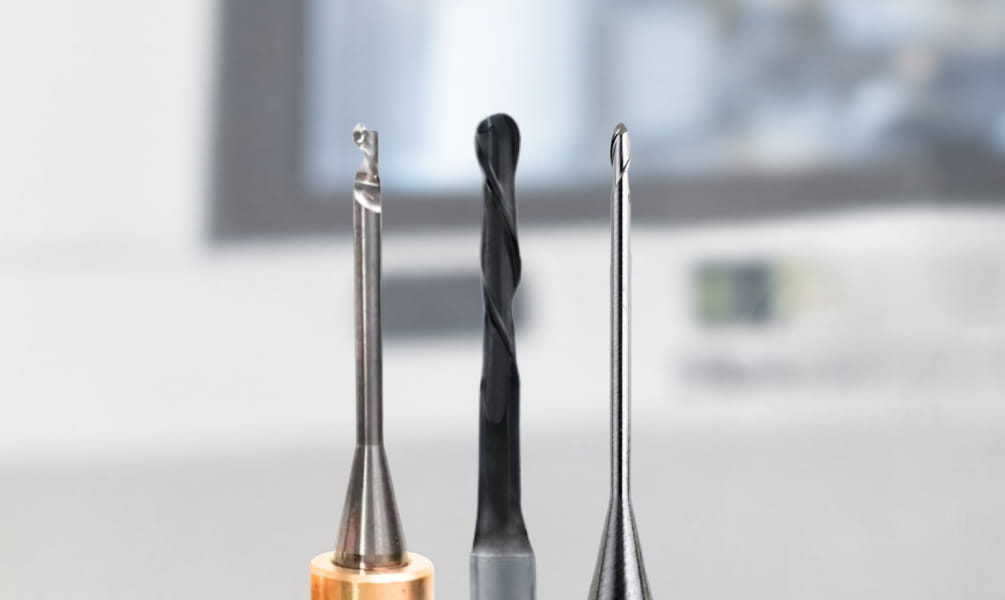
CVD Diamond Coated Milling Burs: The Complete Guide for Dental Labs
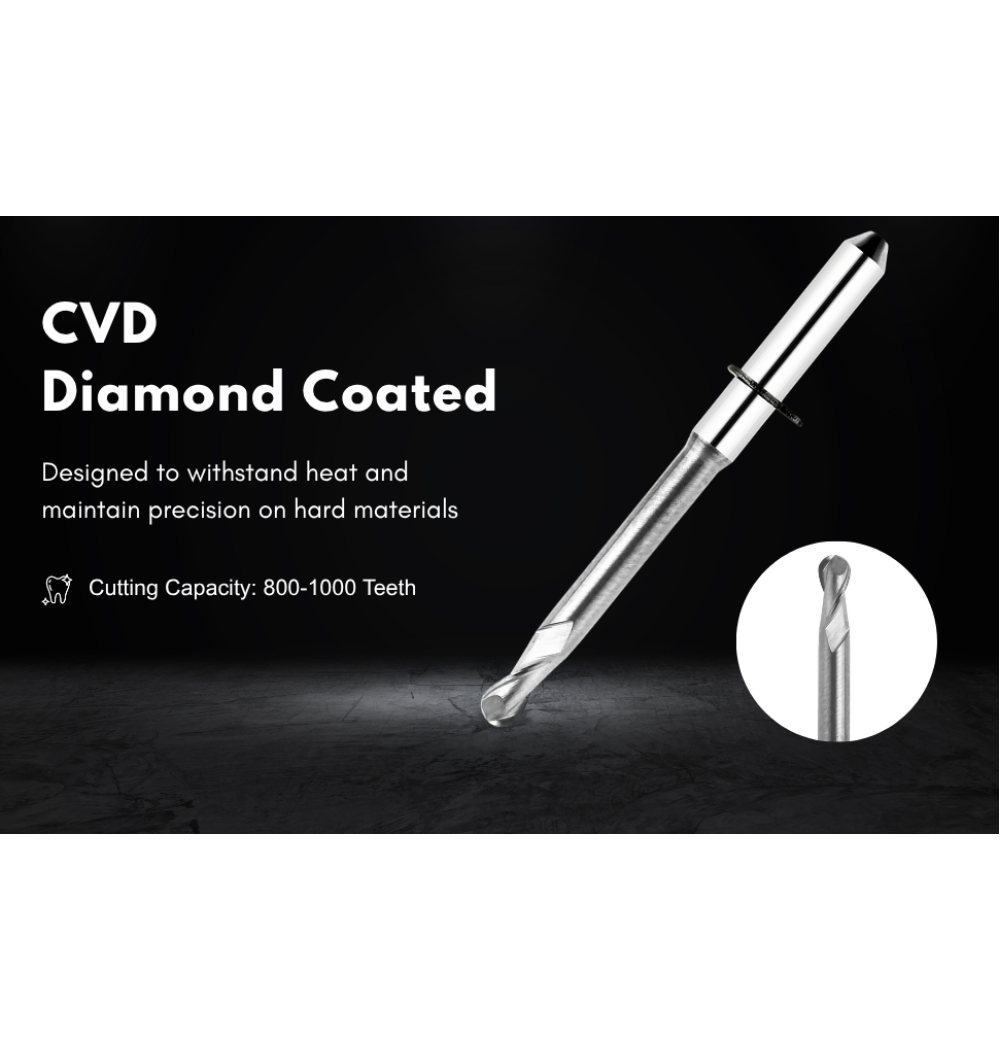
CVD diamond coated milling burs are changing how dental labs process zirconia and other hard materials. Unlike traditional carbide tools that wear out quickly, CVD (Chemical Vapor Deposition) technology creates a continuous diamond film bonded directly to the cutting edge—delivering superior durability, precision, and cost-efficiency over thousands of milling cycles.
If your lab burns through burs every few hundred units or struggles with inconsistent surface quality, this guide covers everything you need to know about CVD diamond technology.
What Is CVD Diamond Coating?
CVD stands for Chemical Vapor Deposition. The process deposits a thin layer of pure diamond onto a tungsten carbide substrate at high temperatures. Unlike diamond grit that's mechanically bonded and can flake off, CVD creates a continuous crystalline diamond film chemically fused to the tool surface.
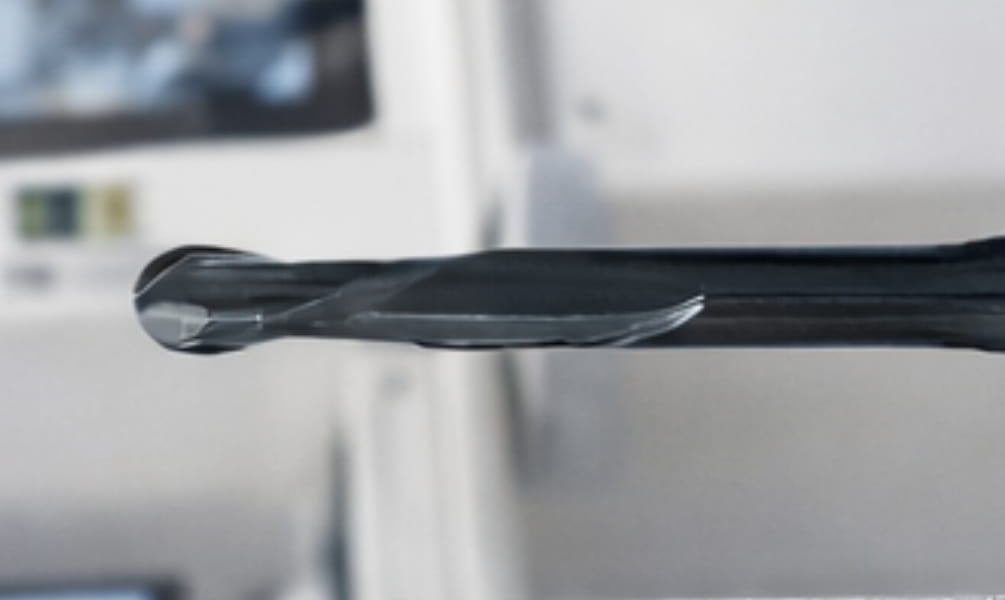
Why this matters for milling:
- The diamond layer withstands temperatures exceeding 700°C without degrading
- Cutting edges stay sharper longer—diamond is the hardest known material
- Surface finish quality remains consistent from the first cut to the thousandth
Modern CVD dental burs typically feature 8-15 micron diamond coatings—thick enough for durability, thin enough to maintain precise geometries.
CVD vs Carbide vs PCD: Which Should You Choose?
Each tool type has its place. Here's a practical comparison:
| Feature | Carbide | PCD | CVD Diamond |
|---|---|---|---|
| Initial Cost | $15-30 | $80-150 | $40-70 |
| Lifespan | 200-500 units | 2000-5000 units | 800-2000 units |
| Surface Quality | Good | Excellent | Excellent |
| Best For | PMMA, wax | High-volume zirconia | Zirconia, glass-ceramic |
| Heat Resistance | Low | High | Very High |
Carbide burs cut cleanly and work well for PMMA and wax. But they dull rapidly on zirconia—expect replacement every 200-500 units.
PCD (Polycrystalline Diamond) burs handle interrupted cuts better than any other option and last longest. However, they're expensive and only available in limited geometries.
CVD diamond burs hit the sweet spot for most labs. They last 3-5x longer than carbide on zirconia, cost less than PCD, and come in virtually any geometry. The tradeoff: the coating can eventually delaminate under extreme stress.
When CVD Burs Make Sense
CVD diamond milling burs are the right choice when:
- You mill hard materials daily. Zirconia, lithium disilicate, and glass-ceramic all benefit from diamond's hardness. If these make up more than 50% of your workload, CVD pays for itself quickly.
- Surface finish matters. CVD burs maintain edge geometry longer, producing more consistent margins and occlusal surfaces. Less time on post-milling adjustments.
- You need specific tool geometries. Unlike PCD which is limited to simple shapes, CVD can be applied to complex flute designs, long lengths, and small diameters. Need a 0.3mm pointed bur for fine details? CVD makes it possible.
- You want fewer tool changes. Every machine stop to swap a worn bur costs time and risks positioning errors. CVD's longer lifespan means fewer interruptions.
Tips to Maximize CVD Bur Lifespan
Getting 2000+ units from a CVD bur instead of 800 comes down to proper usage:
Use the Right Parameters
CVD burs perform best at moderate speeds (30,000-45,000 RPM for most machines) with consistent feed rates. Running too fast generates excess heat that degrades the diamond coating. Running too slow causes the material to "push" rather than cut, increasing tool stress.
Keep Coolant Flowing
Diamond conducts heat well, which is usually an advantage. But without adequate coolant, that heat transfers to the coating-substrate interface and accelerates delamination. Check your coolant nozzles weekly for blockages.
Match Bur to Material
A CVD bur optimized for pre-sintered zirconia won't perform as well on glass-ceramic, and vice versa. Most suppliers offer material-specific variants. Using the right one can double your tool life. For more on reducing wear-related issues, see our guide on reducing milling errors.
Store Properly
CVD coatings are tough but can chip if burs knock against each other in storage. Use individual slots or foam inserts in your tool holder.
Inspect Regularly
Look for coating wear at the cutting edges. When you see carbide showing through, it's time to replace—continuing to run a worn CVD bur produces poor results and can damage your spindle.
The Bottom Line
CVD diamond coated milling burs represent the best balance of performance, durability, and cost for most dental labs processing hard materials. They won't last forever, but they'll outlast carbide by 3-5x while delivering consistently better surface quality.
For labs doing high-volume zirconia work, consider keeping both CVD and PCD burs in stock—CVD for general use and complex geometries, PCD for your highest-volume cases where maximum lifespan matters most. If you're weighing OEM tools against alternatives, our comparison of OEM vs compatible milling burs covers the cost-benefit tradeoffs.
The upfront investment pays off quickly when you factor in reduced tool changes, fewer remakes from surface defects, and more consistent output.