
How to Choose the Right Tool for Every Material?
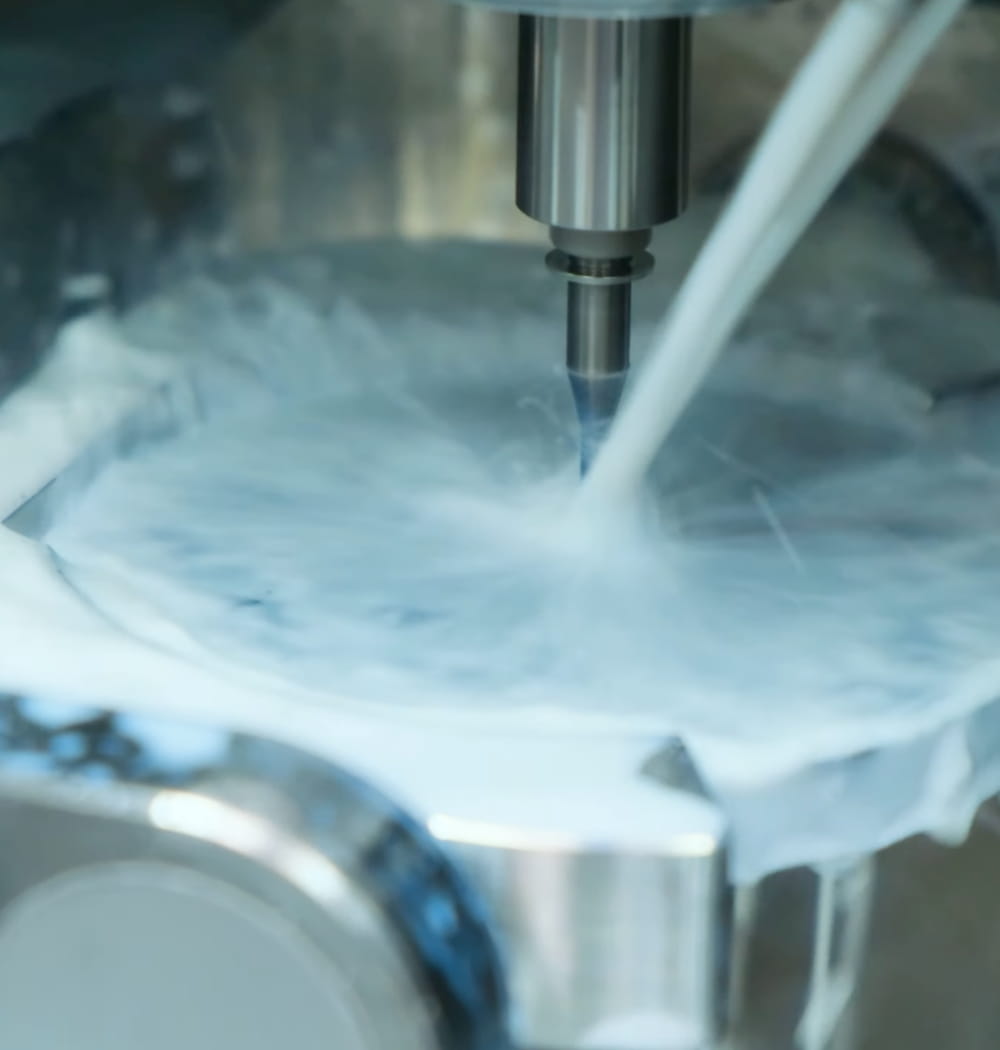
Why the Right Milling Cutter Matters
In dental milling, tool selection directly determines the quality, efficiency, and cost-effectiveness of your production.The right cutter ensures:
- Smoother margins and accurate fits
- Longer tool life
- Reduced remakes and less post-processing
Using the wrong cutter or coating can cause:
- Zirconia: Marginal chipping due to extreme abrasiveness
- Glass Ceramics: Micro-cracks from thermal stress
- PMMA Restorations: Poor fit from melting or deformation
- Metals: Premature wear from high heat and friction
Choosing the right tool for each material improves surface finish, extends cutter life, and maximizes ROI.
Our Coating Solutions
We provide 8 advanced coating types — each formulated for specific materials and milling requirements:
| Coated | Key Features & Applications |
| Diamond Coated (DC) | Ultra-hard, perfect for abrasive materials like zirconia; prevents rapid edge wear |
| Diamond-Like Coated (DLC) | Low friction, reduces zirconia chipping, significantly extends bur lifespan |
| Uncoated | Sharpest edge geometry, ideal for PMMA and wax to avoid melting |
| Textured Coated | Enhanced chip evacuation, reduces heat for soft materials |
| Chromium Nitride Coated (CRN) | High corrosion resistance; excellent for titanium and CoCr alloys |
| Super Hard Coated (SHC) | Extreme hardness and oxidation resistance; ideal for tough metals |
| Aluminum Nitride Coated (AN) | Exceptional thermal stability for metals and hybrid ceramics |
| Titanium Silicon Nitride Coated (TiSiN) | Superior heat resistance and hardness for demanding metal milling |

Material–Coating Selection Guide
| Material | Recommended Coated | Why It Works |
| Zirconia | DC, DLC | High hardness control, anti-chipping performance, extended tool life |
| Glass Ceramic | Textured Coated | Textured coated can improve adhesion and slip resistance, and enhance wear resistance and crack resistance |
| Metal (Ti, CoCr) | SHC, TiSiN, AN | Wear resistance, stability under high temperatures |
| PMMA / Wax | Uncoated,CRN | Retains a sharp edge, avoids melting or deformation |
How to Choose the Right Milling Cutter – Step by Step
1. Identify your milling material — zirconia, glass ceramic, metal, or PMMA/wax.
2. Match the coating from our selection table for optimal results.
3. Select the correct bur geometry — choose diameter and shape based on the restoration design.
4. Adjust machine settings — RPM and feed rate must align with both material and coating type.
5. Monitor tool wear — replace cutters at the first sign of performance drop.
Pro Tips for Best Results
✅ Keep dedicated burs for zirconia and PMMA to avoid cross-contamination.
✅ For metals, choose coatings with high heat resistance (TiSiN, CRN, SHC).
✅ For brittle ceramics, DC coating reduces marginal chipping.
✅ Use uncoated burs for short PMMA or wax runs to save costs.
Get the Perfect Milling Cutter for Your Lab
With the right coating for every material, our milling cutters deliver longer lifespan, smoother finishes, and consistent quality — every time.